
Top 10 Crop Protection Strategies Every Farmer Should Know
Farming is not only about growing crops. It is also about protecting them from pests, diseases, and environmental stress. Many farmers work hard throughout the season, but sometimes crops are damaged by insects, fungal infections, or poor soil conditions. When crops are protected properly, the yield improves and farmers earn better income.
Crop protection does not always require complicated methods. With the right knowledge and good farming practices, farmers can reduce crop loss and maintain healthy fields.
In this article, we will discuss ten important crop protection strategies that every farmer should know and follow in their fields.
1. Maintain Healthy Soil
Healthy soil is the foundation of strong crops. When the soil contains good nutrients and beneficial microorganisms, crops grow stronger and resist diseases naturally.
Farmers should add organic matter such as compost or farmyard manure. Crop rotation and green manure also improve soil quality over time.
Healthy soil helps roots grow deeper and makes plants stronger against pests and diseases.
Question. Why is soil health important for crop protection.
Answer. Healthy soil produces strong plants, and strong plants can naturally resist many pests and diseases.
2. Select Quality Seeds
Seed quality plays a very important role in crop protection. When farmers use certified and disease free seeds, the chances of early infections are reduced.
Good quality seeds grow uniformly, produce stronger plants, and give better resistance against pests.
Farmers should always buy seeds from trusted sources and avoid using damaged or infected seeds.
Question. Can poor quality seeds affect crop health.
Answer. Yes, poor quality seeds can carry diseases that spread quickly and damage the entire crop.
3. Follow Crop Rotation
Growing the same crop repeatedly on the same land can increase pest and disease problems. Crop rotation breaks the life cycle of many insects and pathogens.
For example, if a farmer grows paddy this season, planting pulses or vegetables next season can reduce pest buildup.
Crop rotation also improves soil fertility and reduces the need for chemical control.
Question. How does crop rotation help farmers.
Answer. It prevents pests and diseases from building up in the soil and keeps the field healthier.
4. Monitor the Crop Regularly
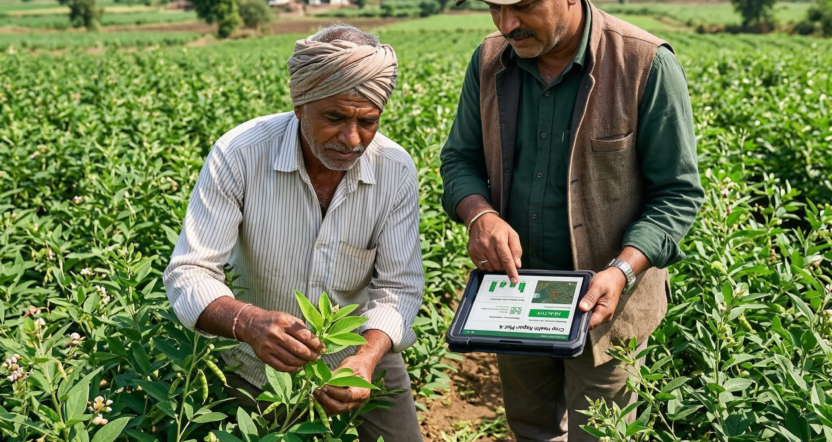
Regular field inspection helps farmers identify problems early. If pests or diseases are detected early, they can be controlled before they spread across the field.
Farmers should walk through their fields often and check the leaves, stems, and roots for unusual spots or insect activity.
Early detection saves crops and reduces control costs.
Question. How often should farmers inspect their fields.
Answer. Farmers should inspect their fields at least once every few days during the growing season.
5. Use Integrated Pest Management
Integrated Pest Management means using multiple methods together to control pests. Instead of relying only on chemical sprays, farmers combine cultural, biological, and chemical practices.
For example, farmers may use pest resistant varieties, natural predators, and selective pesticides only when necessary.
This approach protects crops while also protecting the environment.
Question. Why is integrated pest management useful.
Answer. It reduces pesticide use and controls pests more sustainably.
6. Encourage Natural Pest Enemies
Nature provides many helpful insects that feed on crop pests. Lady beetles, spiders, and certain wasps are natural predators that help control harmful insects.
Farmers should avoid unnecessary spraying that kills these beneficial insects. Maintaining biodiversity in the farm ecosystem supports natural pest control.
Question. Are all insects harmful to crops.
Answer. No, many insects are beneficial and help control pests naturally.
7. Use Proper Irrigation Practices
Too much or too little water can weaken plants and make them vulnerable to diseases. Excess moisture can cause fungal infections, while drought stress can weaken plant defenses.
Farmers should follow proper irrigation schedules and ensure good drainage in the field.
Balanced water management keeps crops healthy and strong.
Question. Can over irrigation cause crop diseases.
Answer. Yes, excessive water can create conditions for fungal diseases.
8. Maintain Field Hygiene
Weeds, plant residues, and infected crop remains can act as sources of pests and diseases. Keeping the field clean is an important crop protection practice.
Farmers should remove infected plants, control weeds, and dispose of crop waste properly.
Clean fields reduce the spread of harmful organisms.
Question. Why should farmers remove infected plants.
Answer. Infected plants can spread diseases to healthy plants if they remain in the field.
9. Apply Crop Protection Products Carefully
Crop protection products such as fungicides, insecticides, and bio solutions play an important role in protecting crops when pests or diseases become severe.
Farmers should follow recommended dosage and timing. Proper application ensures better effectiveness and prevents unnecessary crop damage.
Always read product instructions before spraying.
Question. Why is correct dosage important.
Answer. Using too little may not control pests, and using too much can damage crops and the environment.
10. Learn and Stay Updated
Agriculture is constantly evolving. New crop protection techniques, products, and technologies are introduced regularly.
Farmers should stay connected with agricultural experts, attend farmer meetings, and learn from trusted agricultural companies.
Continuous learning helps farmers adopt better practices and improve crop productivity.
Question. How can farmers stay updated about new farming practices.
Answer. Farmers can learn through agricultural training programs, extension services, and trusted agri companies.
Final Thoughts
Crop protection is essential for successful farming. By following these simple but effective strategies, farmers can reduce crop loss and increase productivity.
Healthy soil, good seeds, regular monitoring, and responsible crop protection practices work together to ensure better harvests. When farmers protect their crops carefully, they protect their livelihood as well.
With the right knowledge and support, every farmer can grow stronger crops and achieve better results in the field.